World Record Achievement – Historic Bagurumba Dance Performance in Assam
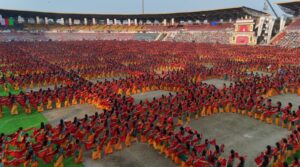
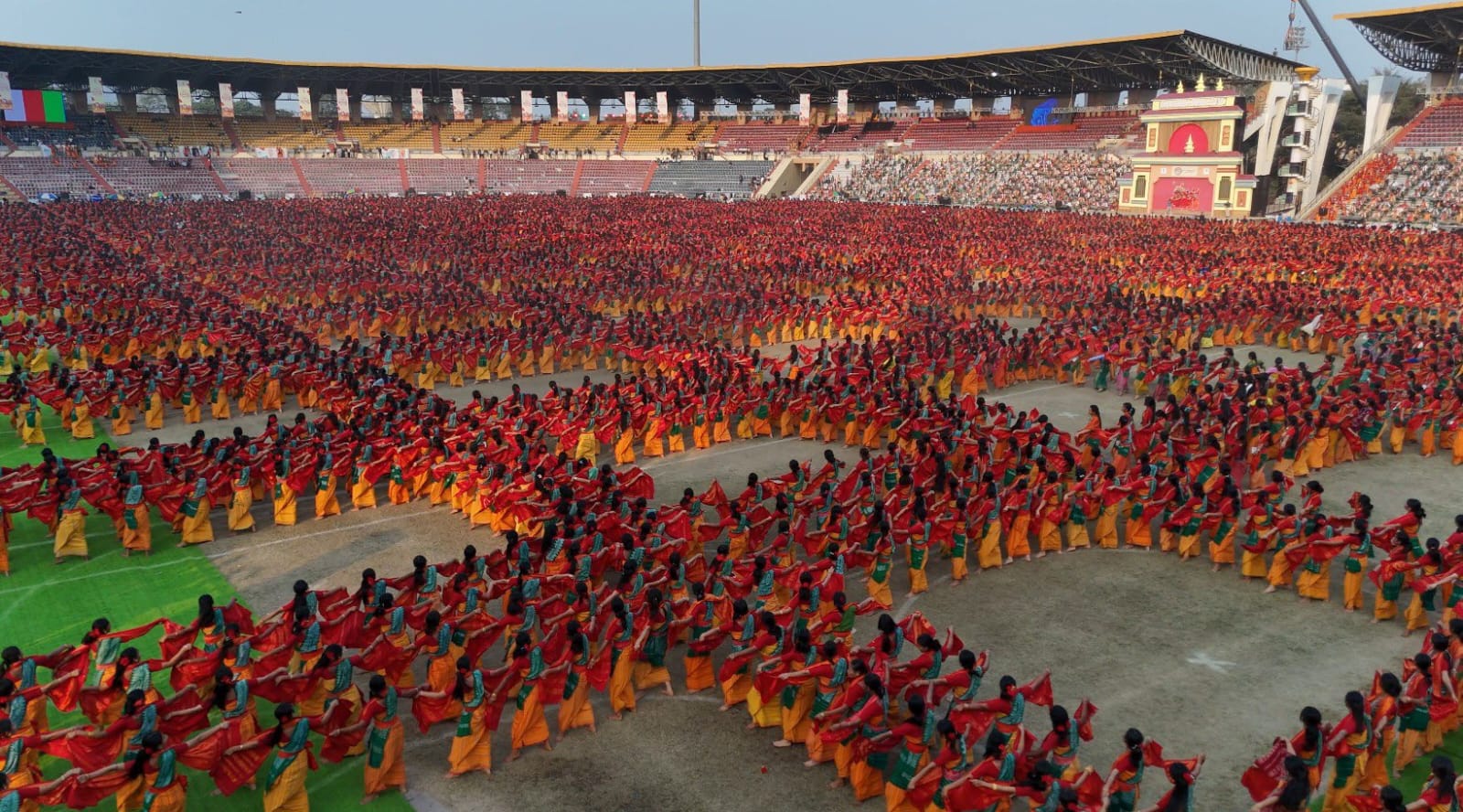
India’s cultural heritage is defined by its diverse traditions, vibrant art forms, and community-centered celebrations that continue to inspire generations. In a remarkable demonstration of unity, tradition, and large-scale cultural participation, the iconic Bagurumba dance, one of Assam’s most celebrated folk traditions, achieved a historic milestone with a massive participation of over 10,000 dancers, creating one of the largest synchronized dance performances ever recorded. The extraordinary event, held in Dibrugarh, Assam, India, was officially recognized and authorized by the World Youth Book of Records, marking a proud moment for the cultural landscape of the country.
This historic achievement represents far more than a numerical record. It symbolizes the collective strength of cultural identity, the dedication of thousands of performers, and the growing global recognition of India’s indigenous art forms. By bringing together thousands of participants in perfect synchronization, the event showcased how traditional cultural expressions can unite communities and inspire large-scale participation while preserving heritage.
Bagurumba: A Dance of Tradition and Cultural Identity
Bagurumba is a traditional folk dance of the Bodo community of Assam and is widely celebrated for its graceful movements, rhythmic coordination, and deep cultural symbolism. Often performed during the Bwisagu festival, the dance reflects themes of nature, harmony, and community celebration. The flowing movements of the dancers are inspired by elements of nature such as birds, butterflies, and flowing rivers, symbolizing peace, beauty, and balance.
Over the years, Bagurumba has evolved from a regional community performance into a recognized representation of Assam’s cultural identity. However, large-scale performances like the world record attempt in Dibrugarh play an important role in bringing this traditional dance to national and international attention. By organizing a synchronized performance involving more than 10,000 dancers, the event highlighted the timeless relevance of indigenous traditions in modern society.
A Grand Celebration at Dibrugarh, Assam
The record-setting performance was conducted at Dibrugarh, transforming the venue into a vibrant display of color, rhythm, and cultural pride. Thousands of dancers dressed in traditional attire gathered to perform the Bagurumba dance in perfect coordination, creating a breathtaking visual spectacle. The synchronized movements, traditional music, and collective enthusiasm of the participants turned the event into a powerful celebration of heritage and unity.
Organizing such a large-scale performance required months of planning, rehearsals, and coordination. Performers from various districts and communities came together, demonstrating exceptional discipline and teamwork. The seamless execution of the event reflected the dedication of organizers, cultural groups, volunteers, and participants who worked tirelessly to ensure that the performance met the highest standards required for world record recognition.
Official Verification by the World Youth Book of Records
The entire record attempt was systematically conducted, evaluated, verified, and officially authorized by the World Youth Book of Records, ensuring that every procedural guideline and verification protocol was strictly followed. From participant registration and attendance verification to synchronized performance monitoring and official documentation, the process was carefully managed to maintain transparency and authenticity.
The official recognition not only confirmed the performance as a world record achievement but also elevated the Bagurumba dance to a global cultural platform. Such recognition plays a significant role in encouraging further preservation efforts and motivates communities to continue celebrating traditional art forms with renewed enthusiasm.
Cultural Unity Through Collective Participation
One of the most remarkable aspects of the Bagurumba world record performance was the spirit of collective participation. Bringing together more than 10,000 dancers required not only logistical coordination but also a shared sense of purpose and cultural pride. Participants from different backgrounds, age groups, and regions united to celebrate a single tradition, demonstrating how cultural heritage can serve as a powerful force for community bonding.
The synchronized performance symbolized harmony, discipline, and unity—values deeply rooted in traditional cultural practices. Events of this scale show how art and tradition can bridge social and regional differences, fostering a sense of belonging and collective identity among participants and audiences alike.
Promoting Indigenous Art Forms on the Global Stage
The successful world record attempt represents a significant milestone in the promotion of indigenous art forms on an international platform. Traditional dances like Bagurumba often remain confined to regional celebrations, but large-scale initiatives such as this help bring them into global recognition. The event showcased Assam’s rich cultural heritage to a wider audience, encouraging appreciation for local traditions and inspiring similar initiatives across other regions.
By highlighting indigenous art forms through globally recognized achievements, communities can ensure that traditional practices remain relevant for younger generations. Such recognition also opens opportunities for cultural tourism, academic research, and international cultural exchange, further strengthening the global presence of regional traditions.
Strengthening Cultural Preservation Efforts
In today’s rapidly modernizing world, preserving traditional cultural expressions requires active participation and organized initiatives. The Bagurumba world record performance demonstrated how large-scale cultural events can play an essential role in safeguarding heritage. When thousands of participants actively engage in traditional performances, the art form naturally gains renewed interest among younger generations, ensuring continuity and preservation.
Educational institutions, cultural organizations, and community leaders often play a key role in organizing such events, encouraging youth involvement and promoting awareness of traditional practices. The success of this record-setting performance highlights the importance of collaborative cultural initiatives that combine tradition with modern organizational excellence.
A Historic Milestone for Cultural Excellence
The Bagurumba dance world record achievement stands as a historic milestone not only for Assam but also for India’s broader cultural heritage. It reflects the dedication of performers, the commitment of organizers, and the enduring strength of traditional art forms that continue to inspire collective participation even in contemporary times. The event has set a new benchmark in large-scale synchronized cultural performances, demonstrating the possibilities that emerge when communities unite to celebrate their heritage.
Conclusion
The Bagurumba world record performance in Dibrugarh, Assam, involving over 10,000 synchronized dancers, is a powerful example of how cultural traditions can inspire unity, discipline, and global recognition. Officially verified by the World Youth Book of Records, the achievement highlights the importance of preserving indigenous art forms while promoting them on international platforms.
More than just a record, the event represents the spirit of collective celebration, the pride of cultural identity, and the enduring relevance of traditional art in modern society. As similar initiatives continue to grow across the country, the Bagurumba world record will remain a lasting symbol of cultural unity and artistic excellence, inspiring future generations to celebrate and preserve the rich heritage that defines India’s cultural landscape.